







Search Results for: hurricane season
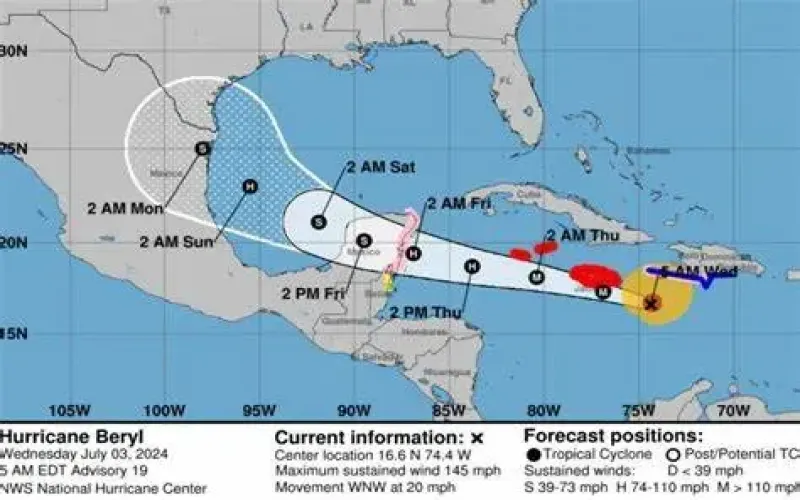
The Atlantic hurricane season is unusually active, and coffee-producing regions in Central America face a dual test of output and exports.
The 2024 Atlantic hurricane season was predicted by NOAA to be "extraordinary," with risk reaching up to three times the usual level. The first hurricane of the season, Beryl, intensified to Category 5 in July, devastating the Caribbean region, with the coffee industries of Jamaica, Haiti, the Dominican Republic, and other areas facing direct threats. Although Mexico's main coffee-producing regions are located in the south and the hurricane's path skewed northward, infrastructure damage and shipping disruptions could still indirectly affect the entire Central American coffee supply chain. Looking back at the devastation caused by Eta and Iota in 2020, the impact of hurricane season on the coffee flowering and harvest periods is especially lethal and may further exacerbate fluctuations in international coffee prices. [more…]
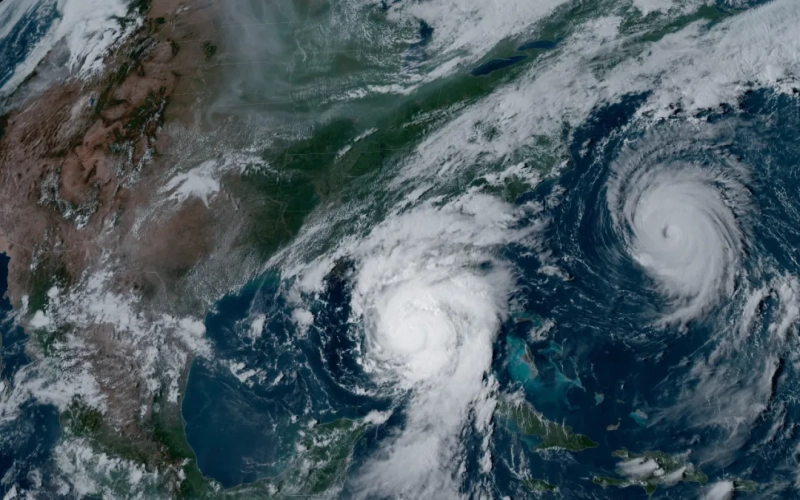
The 2024 Atlantic hurricane season is unusually active, and coffee-producing regions in Central America face dual pressures of reduced yields and exports.
The latest report from the National Oceanic and Atmospheric Administration (NOAA) shows that the 2024 Atlantic hurricane season activity could reach three times the usual level, with an 85% probability of being stronger than normal years. Warm ocean waters, reduced wind shear, and the transition from El Niño to La Niña will combine to spawn more and stronger storms. Multiple coffee-producing countries along the Gulf of Mexico, the Caribbean Sea, and the Atlantic coast—including Mexico, Cuba, Jamaica, Honduras, Nicaragua, Guatemala, and Costa Rica—may all be affected. The strong winds and heavy rain brought by hurricanes not only threaten coffee flowering and harvesting, but may also disrupt shipping, drive up transportation costs, and exacerbate coffee price fluctuations. This article reviews the hurricane season forecast data, the affected producing regions, and the potential impact on the coffee industry, for the reference of coffee enthusiasts. [more…]
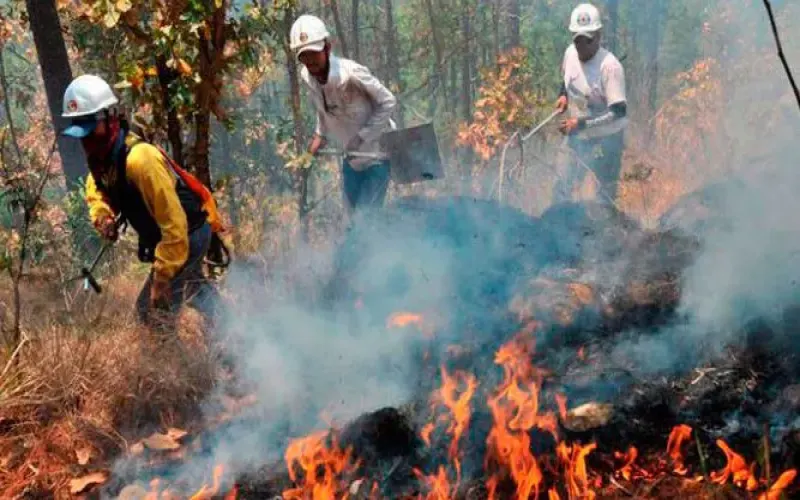
Honduras Ravaged by Wildfires and Extreme Weather, Coffee Industry Faces Risk of Reduced Production
Since 2024, multiple Latin American countries have experienced historic high temperatures and droughts. Honduras is enduring its hottest and driest year since 1992, with maximum temperatures reaching 38-40°C. A total of 1,903 forest fires have broken out nationwide, destroying over 150,000 hectares of forest. Although the main coffee-producing regions have not yet been directly hit by the wildfires, rainfall has decreased by nearly 40% compared to the same period last year, hampering the growth of coffee plants during their flowering period. More critically, El Niño has not yet subsided, while La Niña is highly likely to arrive, and the threat of hurricane season is imminent. The Honduran Coffee Institute (IHCAFE) has already issued a warning about next season's output. Front Street Coffee will continue to monitor developments in the producing regions and bring first-hand information to enthusiasts. [more…]
The high temperature in the Americas continues! The coffee industry in Honduras is affected.
Recently, due to the impact of bad weather in the local area of Honduras, the Honduras Coffee Research Institute (IHCAFE) is concerned about the future coffee output. According to the data released recently by the Honduras Forest Conservation Institu [more…]
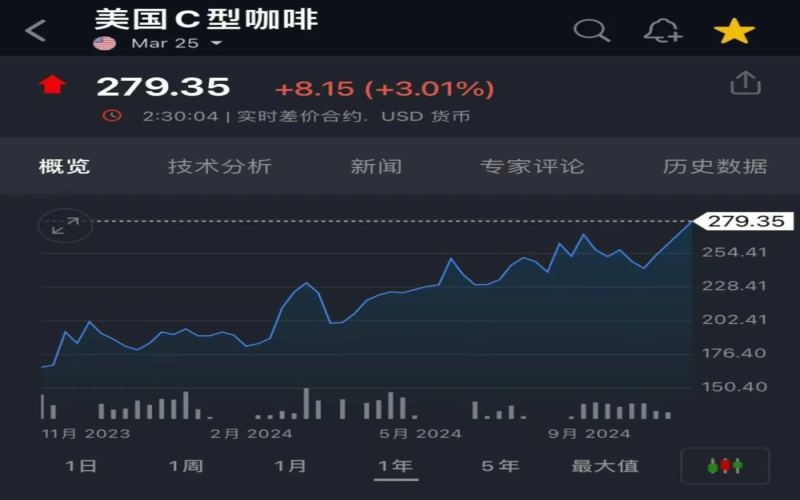
Coffee futures hit another record high: closing at 279.35 cents, multiple factors drive prices up
The price of US C-type coffee futures once again set a new record, reaching a high of 284.93 cents per pound and finally closing at 279.35 cents per pound. Behind this round of gains is a mix of multiple factors: drought and fires in major South American producing regions, the postponement of the EUDR regulation, the limited effect of Brazil's rainy season, the impact of the Atlantic hurricane season, the strengthening of the US dollar driven by the US election, and the Red Sea crisis together with rising container freight rates. Although the EU has already approved a one-year delay in the implementation of the EUDR, the market's concerns about tight global coffee supply have still not faded, and futures prices are expected to remain high in the short term. [more…]
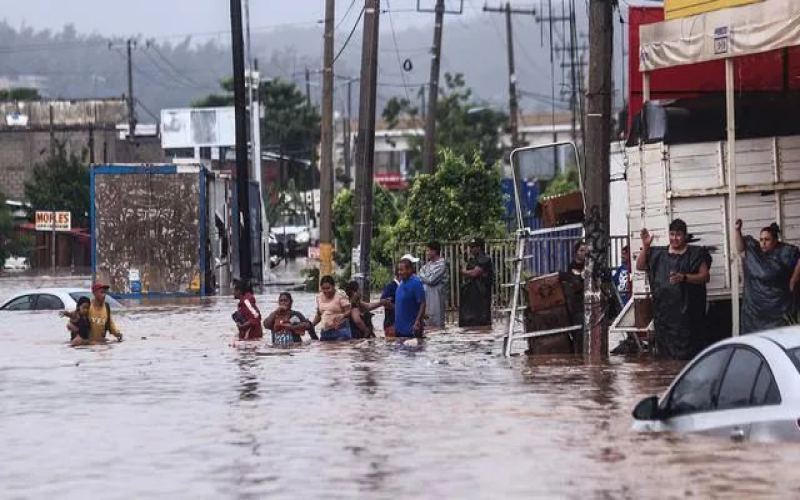
Hurricane John Devastates Southern Mexico's Coffee Belt: 16 Dead, 100,000 Households Without Power, New Crop Under Pressure
After Hurricane "John" made landfall in southern Mexico, it caused at least 16 deaths, damaged more than 700 homes, and left about 100,000 users without power, with Guerrero and Oaxaca states hit especially hard. More critically, 95% of Mexico's coffee production is concentrated in the south, and the current period is when coffee is fruiting; torrential rain knocked fruit off the trees, flooded coffee plants, and the risk of landslides compounded the damage, putting the expected increase in output for the 2024/25 season at risk of being revised downward. At the same time, global coffee prices are already at high levels due to reduced production in places such as Brazil and Vietnam, and with Mexico now hit by another climate shock, prices are unlikely to fall in the short term. [more…]
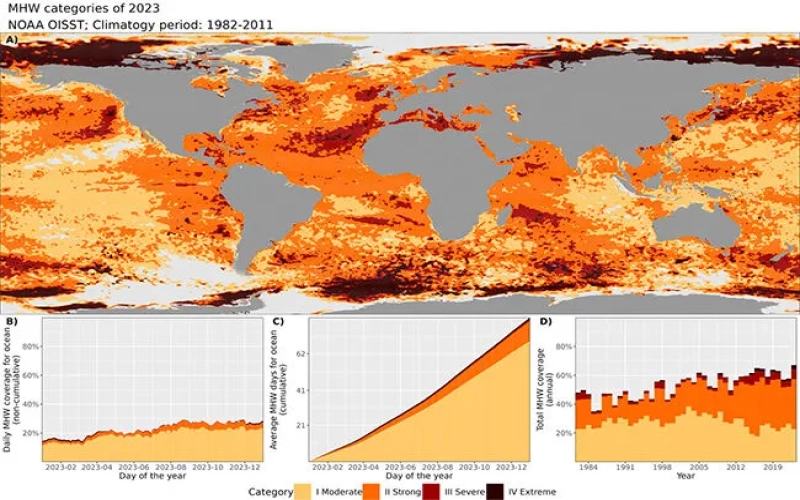
Rising La Niña Probability May Push Coffee Prices Higher, Brazil's Robusta Output Poised to Surpass Vietnam
The latest report from the World Meteorological Organization shows that El Niño is weakening, and La Niña may return in the second half of the year. This climate shift will bring markedly different effects to global agriculture: Australia, West Africa, and parts of Asia are expected to receive abundant rainfall, favoring the growth of crops such as wheat, palm oil, cocoa, and coffee; while the Americas may face drought, and Brazil's soybean, coffee, and corn-producing regions will come under pressure from reduced yields. At the same time, international prices for coffee, cocoa, and wheat have already remained high for a sustained period, and if adverse climate factors intensify, agricultural product prices may rise further. In recent years, Brazil has vigorously developed robusta coffee, with production expected to reach 21 million bags in 2024, and it is expected to surpass Vietnam in the 2027/28 season to become the world's largest robusta-producing country. In addition, La Niña may also increase Atlantic hurricane activity, threatening energy infrastructure in the Gulf of Mexico and thereby driving up crude oil and shipping costs. [more…]
Tropical Storm Carlotta Hits Mexican Coffee-Growing Regions, Adding Further Uncertainty to Production Prospects
Mexico's major western coffee-producing regions were recently hit by Tropical Storm Carlotta, with heavy rainfall, lightning, and hail posing a serious threat to coffee trees in their flowering stage. The states of Colima, Jalisco, Michoacán, and Nayarit produce about 15% of Mexico's coffee output, and roughly 80% of the country's coffee-growing area had already been affected by high temperatures and drought. Industry insiders expect yield losses could reach 50%. After the storm, neighboring states such as Oaxaca and Chiapas also face risks of flooding and landslides. Meanwhile, Mexico is striving to boost its coffee industry, with a production target of 3.89 million bags for the 2024/25 season, but a succession of extreme weather events has cast a shadow over this vision. [more…]
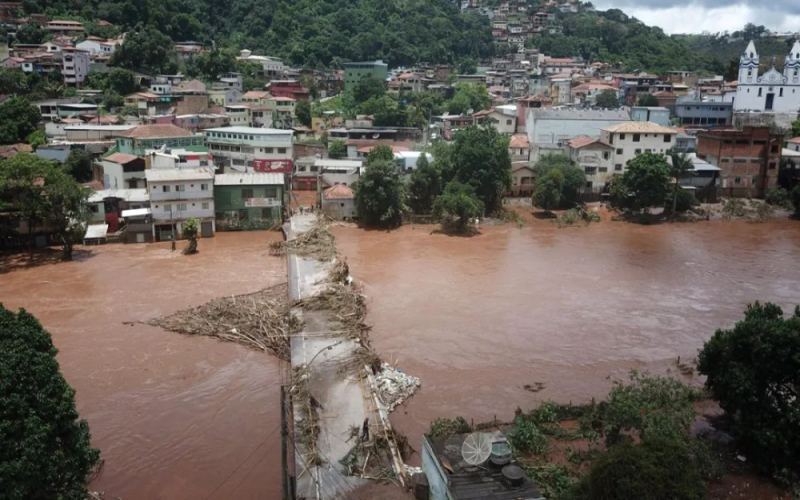
Pressure from reduced coffee harvests in many countries worldwide is intensifying, and international futures prices are unlikely to fall back in the short term.
Recently, international investment bank Hedgepoint released a coffee futures price report noting that global coffee supply faces multiple uncertainties, with futures prices continuing to run at high levels and limited room for decline in the short term. Brazil, as the world's largest coffee producer, has seen its Arabica production forecast revised downward due to drought, high temperatures, and unstable rainfall; several Central American countries have suffered severe damage to coffee crops and infrastructure from hurricanes and storms. Although Colombia's new crop season is expected to see a slight increase in production, it is unlikely to offset the overall decline in major producing regions. Combined with potential climate disruptions from La Niña, international coffee prices are expected to remain firm. Stay tuned to origin developments—Front Street Coffee continues to track them for you. [more…]
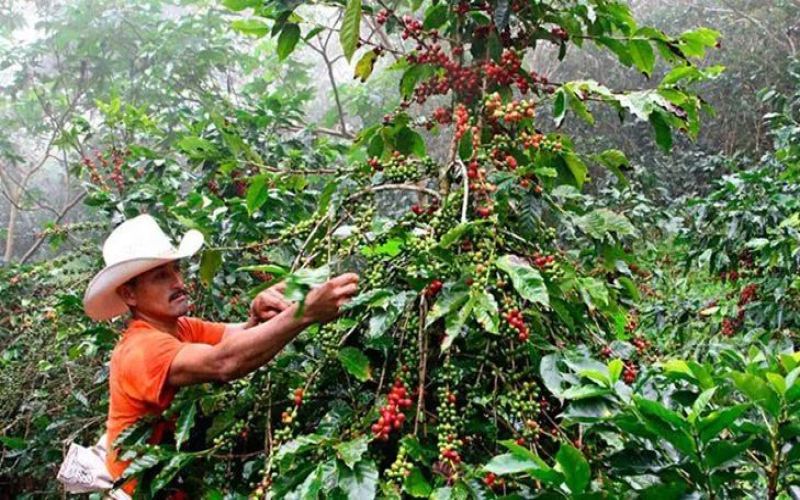
Honduran Migration Wave Hits Coffee Industry: Labor Shortage Crisis During Harvest Season, Exports to China Emerge as New Opportunity
Honduras is currently experiencing a severe socio-economic crisis. Corruption, institutional collapse, the impact of the pandemic, and hurricane disasters have compounded, pushing poverty rates to extreme levels, causing widespread closures in the export processing industry and the loss of over 100,000 jobs, with many of the unemployed choosing to emigrate abroad. This wave of emigration directly affects the coffee growing industry—as the harvest season approaches, there is a severe shortage of skilled pickers, and the prospects for the harvest are worrisome. At the same time, Honduran organic coffee beans have been successfully exported to China, with 12 companies authorized to trade with China, bringing a glimmer of hope for economic recovery. This article will outline the root causes of the crisis, its impact on the industry, and the latest trade developments. [more…]
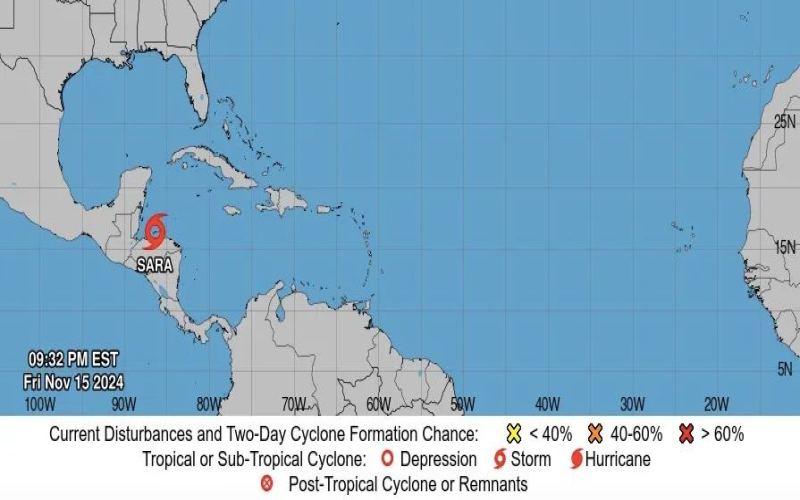
Tropical Storm Sara Devastates Honduras: Coffee Exports Disrupted, Arabica Futures Prices Hit Record High
The 18th named storm of the 2024 Atlantic hurricane season, "Sara," made landfall in northern Honduras, affecting nearly 33,000 people, and the president declared a 30-day national state of emergency. Torrential rain, flooding, and mudslides not only destroyed roads and disrupted port operations, but also struck just before the coffee harvest season, potentially dealing a severe blow to the output and exports of the world's sixth-largest coffee producer. Combined with harsh weather in producing regions such as Brazil and Colombia, Arabica coffee futures prices have soared to historic highs. This article will sort out the specific impact of the storm on Honduras' coffee industry and follow how brands such as Front Street Coffee continue to track information from producing regions. [more…]
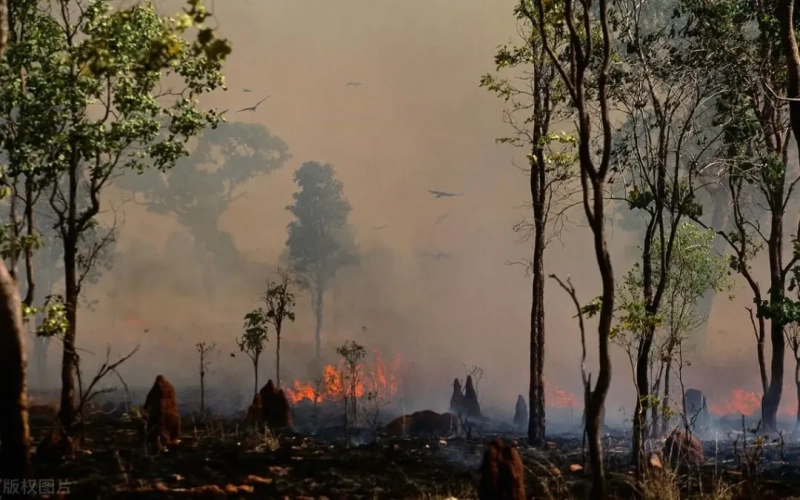
La Niña Arrives in Succession: Global Coffee Production and Prices Face New Variables
The lingering effects of El Niño in 2023 have not yet subsided, and La Niña may make a comeback in the summer of 2024, leaving global coffee-producing regions caught in a double bind of extreme weather. Drought during Brazil's flowering period, water shortages on Vietnam's highlands, coexisting floods and droughts in Africa, and the threat of hurricanes in Central America—the production outlook for major growing regions is shrouded in uncertainty. At the same time, rising demand for Robusta in European and American markets, combined with reduced output in several producing countries, has already triggered sharp fluctuations in international coffee prices. This article will examine how climate is disrupting the coffee supply chain and analyze the key variables shaping price trends in the second half of the year. [more…]
Jamaica Blue Mountain Full Analysis: Why Wallenford Estate No.1 Is a National Treasure-Level Pour-Over Gem
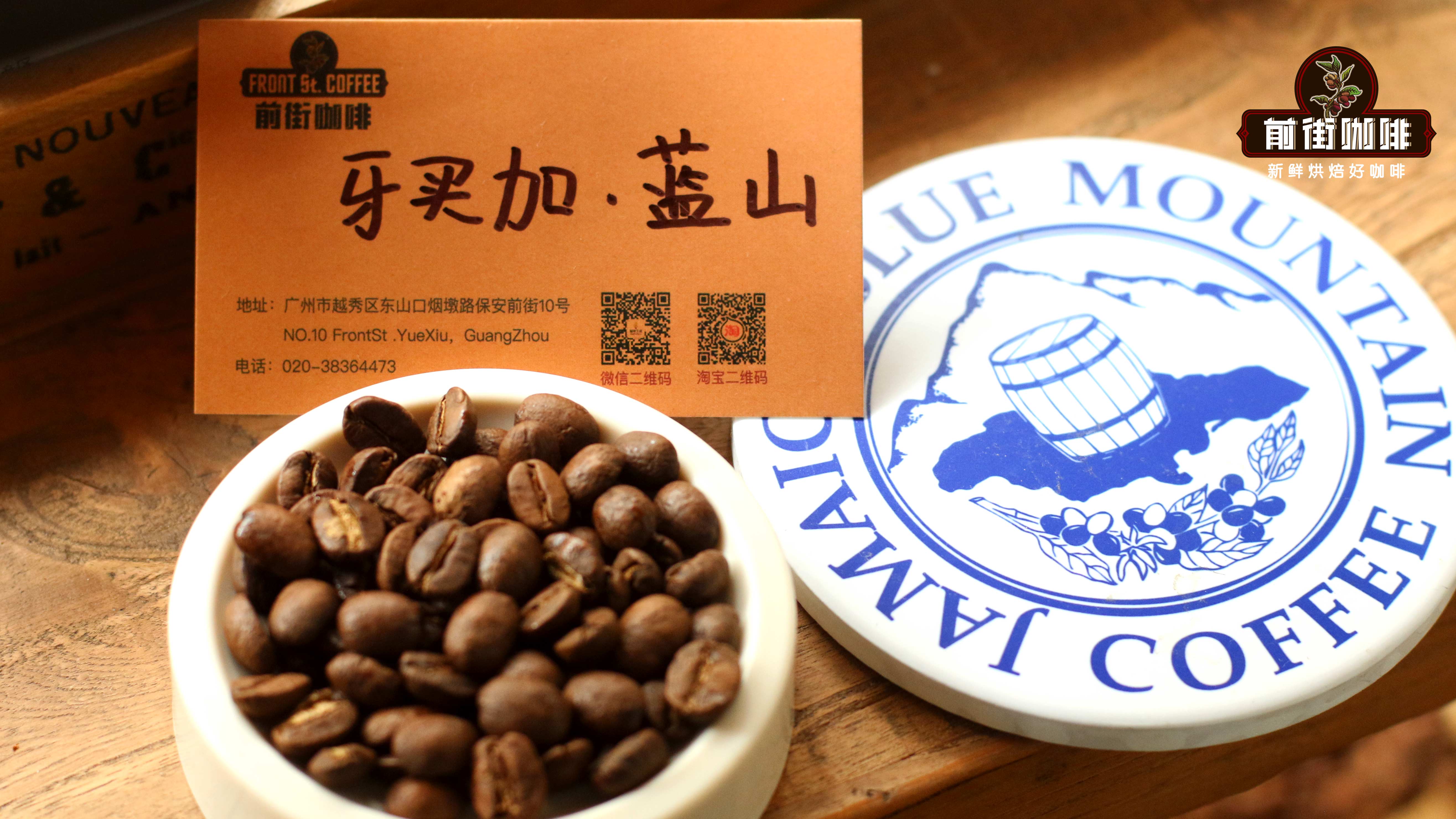
When it comes to legendary coffee, Jamaican Blue Mountain is invariably at the top of the list, but not every bean stamped with the words "Blue Mountain" is the real deal. This article uses a specialty Blue Mountain recommended by Front Street Coffee as a starting point to clarify the hierarchical differences between "Blue Mountain flavor," "Jamaican coffee," and "Jamaica Blue Mountain No. 1," explain how Blue Mountain got its name and its three-tier growing region classification at 1,500, 3,000, and 5,000 feet, and trace the industry's ups and downs after coffee arrived in Jamaica in 1728: from the heyday of 686 estates, to the devastation of hurricanes, the government's sale of estates, the founding of the CIB, the enactment of legislation, and how Wallenford, the only estate that retained state-owned status, safeguarded its national-treasure reputation through rigorous quality control. The article also deciphers the certified trademark system and anti-counterfeiting measures to help you identify an authentic cup of Blue Mountain. [more…]
An In-Depth Analysis of Jamaica Blue Mountain No. 1 Coffee from the Caribbean Island Nation: Region, Variety, and Front Street Brewing Method
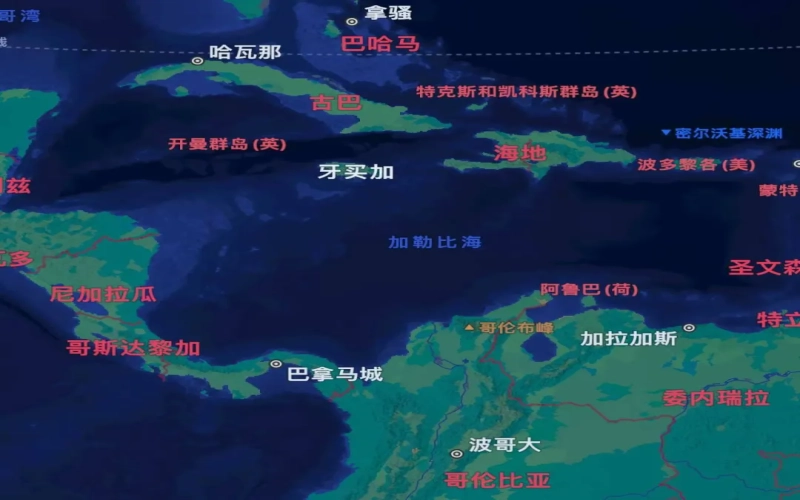
Blue Mountain coffee is Jamaica's most iconic product and a name familiar to coffee lovers worldwide. This island nation, located in the northwest Caribbean, has delineated a legally protected Blue Mountain coffee growing region thanks to its unique geographic and climatic conditions. Only Typica plants grown in the four parishes of St. Andrew, St. Thomas, Portland, and St. Mary, at altitudes between 915 and 1,700 meters, are eligible to bear the name "Jamaica Blue Mountain Coffee." This article will outline Jamaica's national overview and coffee industry regulatory system, introduce the terroir characteristics of the Blue Mountain growing region and the botanical features of the Typica variety, and share the brewing parameters and flavor profile of Front Street Coffee's Clifton Estate Blue Mountain No. 1, offering coffee enthusiasts a complete introductory reference to Blue Mountain coffee. [more…]
Panama Boquete Geisha Coffee Beans: A Complete Flavor Analysis from Ethiopian Heirloom Variety to the New King of Specialty Coffee
While Jamaican Blue Mountain and Hawaiian Kona have long occupied the coffee throne, a dark horse from Ethiopia's native forests—Geisha—is rewriting the landscape of specialty coffee with hurricane force. This article takes you through Geisha's legendary journey from its discovery in 1931 to its dazzling rise at Hacienda La Esmeralda in Panama, recounting its glorious record of eleven championships and sky-high auction bids, and further, through hands-on testing with both pour-over and siphon extraction methods, deeply analyzing this bean's signature lemon-citrus aroma, honey-cream sweetness, and layer upon layer of oolong tea notes. Front Street Coffee will also share roasting and brewing insights to help you fully understand this green diamond capable of moving even the most seasoned connoisseur. [more…]
Panama's Boquete Hit by Severe Storms: Frequent Landslides Put Specialty Coffee Region to a Severe Test
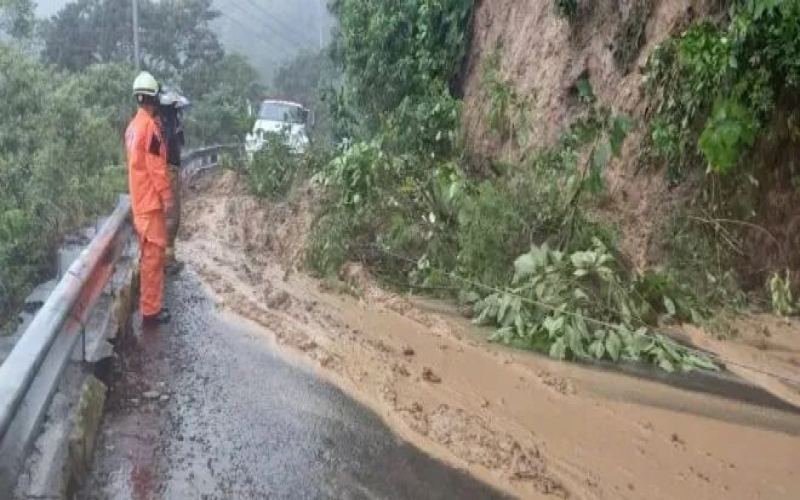
Since October, Panama has entered its rainy season, but this year, under the influence of Tropical Storm Rafael, torrential rain and strong winds have been unusually severe, triggering multiple landslides and floods, with Chiriquí Province and other areas hit hard. Boquete, the core production area for Panama's specialty coffee, has not been spared either, with roads damaged, water supplies cut off, and coffee transportation blocked. Even more concerning is that the coffee harvest season is approaching in December, and continued heavy rain could damage coffee trees that are currently bearing fruit, further affecting quality and yield. This article will review the progress of the disaster and its potential impact on the coffee industry. [more…]
Heavy rains in northern Sumatra trigger floods and mudslides, affecting the Mandheling Arabica growing region
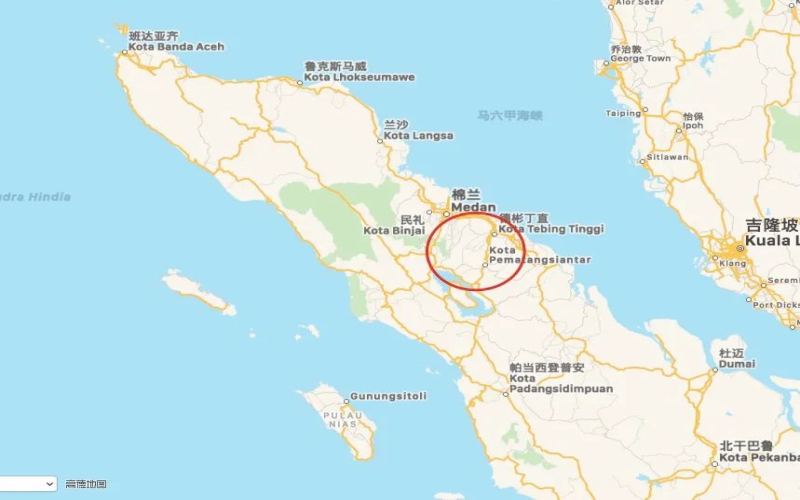
Recently, northern Sumatra in Indonesia has experienced continuous heavy rainfall, triggering secondary disasters such as flash floods and landslides in multiple areas of North Sumatra Province, resulting in 20 deaths and multiple injuries so far. This disaster has not only caused severe damage to local infrastructure including houses, schools, and roads, but has also directly affected the Arabica coffee-growing belt in the Lintong region of central Sumatra—the area where the world-renowned Mandheling coffee is produced. Meanwhile, Deli Serdang Regency, an important commodity transport corridor leading to the Medan seaport, has also been damaged by landslides, disrupting import and export operations. As the Arabica harvest season is currently underway, days of heavy rain may cause ripe cherries to drop and yields to decline, with the market generally holding a cautious attitude toward the supply outlook for the new harvest season. [more…]

Is Jamaican Blue Mountain Coffee a Specialty Coffee? A Full Analysis of Its Flavor Characteristics and Strict Grading System
Blue Mountain coffee is often hailed as the finest of coffees, but does it really count as specialty coffee? This article analyzes Blue Mountain coffee from multiple angles—its growing environment, flavor profile, the Jamaican government's strict regulatory system, the CIB certification framework, export grading standards, and the tradition of wooden barrel packaging—and also examines the special position of Wallenford Estate in quality control. At the same time, drawing on the recommendation perspective of Front Street Coffee, it helps coffee enthusiasts gain a comprehensive understanding of Blue Mountain coffee's true standing and unique value. [more…]
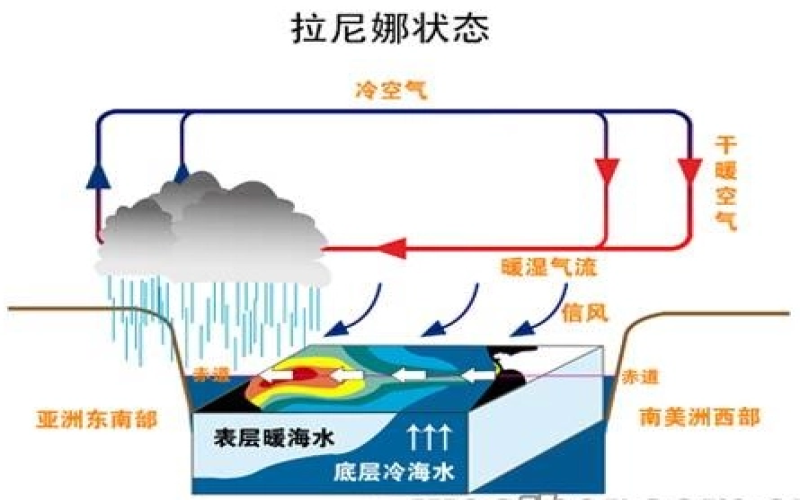
El Niño Expected to Wind Down in April, La Niña to Return in the Second Half of the Year and Potentially Batter Global Coffee-Producing Regions Again
The latest meteorological forecasts indicate that the El Niño condition is expected to come to an end around April 2024. After a brief neutral phase, La Niña may form between June and August and persist through the second half of the year. Previously, El Niño brought extreme weather such as heavy rain, drought, and high temperatures to coffee-growing regions in Brazil, India, Vietnam, Indonesia, and other places, causing reduced production and driving up international coffee prices. As La Niña takes over, southeastern Brazil may face reduced rainfall and the risk of frost, while Indonesia may experience heavy rainfall and even floods, and the coffee berry harvest may be hit again. Front Street Coffee will also continue to monitor the impact of climate change in producing regions on the coffee supply chain. [more…]
Puerto Rico Yauco Select Coffee Beans: A Comprehensive Analysis of Origin, Flavor, and Market
The history of coffee cultivation in Puerto Rico can be traced back to the 18th century, and Yauco Selecto coffee ranks among the world's top coffees for its rich aroma and lingering aftertaste. This article will systematically examine the unique qualities of Yauco Selecto coffee beans, from historical context, regional terroir, cultivation and processing, to quality control and current market conditions, and will also introduce Front Street Coffee's reasons for recommending this bean. Whether you are a coffee enthusiast just getting started or a seasoned drinker in search of rare flavors, you will gain a complete and in-depth understanding from it. [more…]